
 By
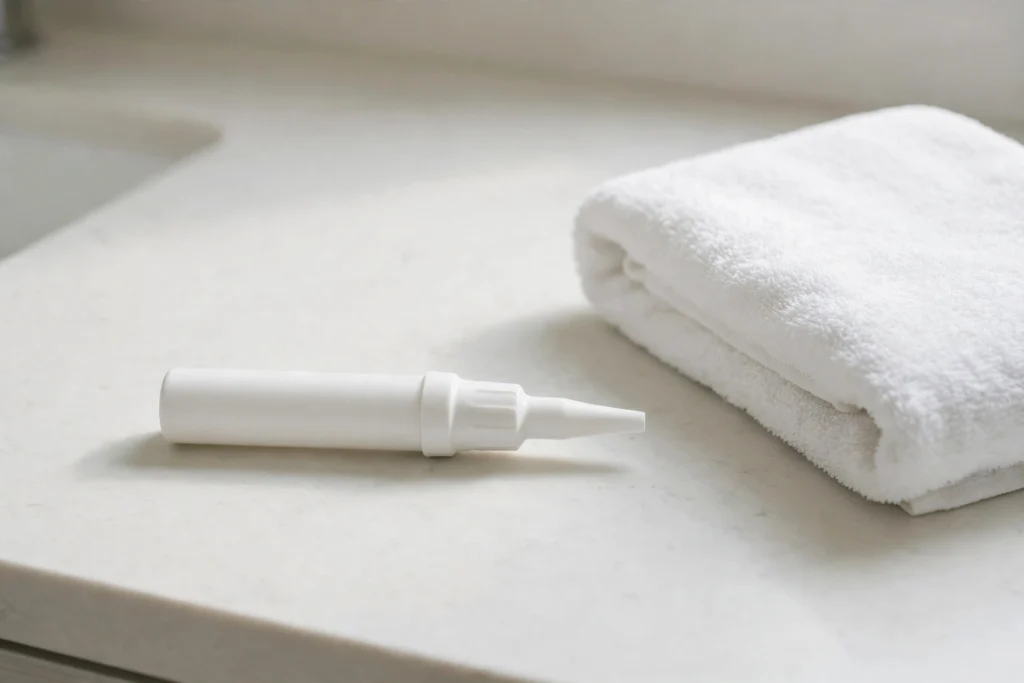
The pharmacist hands over the box with a smile, and most people smile back, take it home, and quietly dread opening it. Suppositories have an image problem. The medicine inside them is respected and effective, but the method of using one puts people off so much that some would rather stay uncomfortable than follow the instructions on the leaflet.
That hesitation is exactly what a small piece of plastic was designed to remove. Dulcoglide is an applicator that places a suppository for you, cleanly and at the right depth, without your finger doing the work. This guide explains the calm way to use it, who benefits from it most, and the small mistakes that make the whole thing harder than it needs to be.
The Awkward Part Nobody Talks About
Constipation itself is common, and so is the embarrassment around treating it. Advice columns discuss diet, water and fibre endlessly, yet the moment a treatment involves inserting something, the conversation goes quiet. People skip doses, delay treatment, or abandon a product that was actually helping, simply because the process felt undignified.
The practical problems are real, too. A suppository is small, smooth and determined to slip out of your fingers. Reaching the right position is difficult for anyone with a bad back, a large belly, stiff hands or limited mobility. Hygiene worries hover over the whole attempt. None of this is a character flaw; it is a design problem, and design problems can be solved with a tool. That is where dulcoglide earns its place in the bathroom cabinet.
A Small Tool Built for One Job
Strip away the packaging and the idea is beautifully simple. A dulcoglide applicator is a slim, comfort-shaped holder with a plunger. You place the suppository in its tip, guide the tip into position, press the plunger, and the suppository is delivered where it needs to sit. Then the whole applicator goes in the bin, because each one is made for a single use and arrives individually wrapped and clean.
It helps to be clear about what the tool is not. It is not a medicine and contains no active ingredient. The medicine lives in the suppository itself, usually bisacodyl, a stimulant laxative long used for occasional constipation. The applicator changes nothing about how that medicine works. It only changes how it gets there, which for many people is the difference between using the treatment and avoiding it.
Getting Ready: Five Quiet Minutes of Preparation
Calm use begins before anything is opened. Gather everything first: the applicator, the suppository, a tissue, and a small bin within reach. Read the leaflet that came with your suppositories once, even if you have used them before, because timings and warnings differ between products.
Wash your hands properly with soap and warm water, and dry them. Choose your position in advance rather than improvising: most people find lying on their side with the upper knee drawn up the steadiest option, though some prefer standing with one foot raised on a step. Keep the dulcoglide wrapper on until you are settled and ready, so the applicator stays clean until the moment it is needed.
A word about temperature: suppositories soften with heat. If the one you are holding feels soft or melted at the edges, run the sealed foil under cold water for a few seconds to firm it up. A firm suppository loads into the applicator easily and behaves itself; a soft one fights you at every step.
Using Dulcoglide: The Routine, Step by Step
With everything ready, the routine itself takes under a minute. Unwrap the suppository and seat it in the tip of the applicator as the packaging directs. Take your chosen position, breathe out slowly, and relax the muscles you are about to ask to cooperate. Tension is the enemy here; a slow breath genuinely helps.
Guide the tip in gently, angled slightly towards your lower back, until it sits comfortably in place. Press the plunger steadily to release the suppository, then withdraw the applicator in one smooth motion. Wrap it in tissue and bin it straight away. Wash your hands again, and stay lying down for a few minutes if you can, which gives the suppository time to settle and start dissolving rather than slipping out.
That is the whole of it. Most people find the second use dramatically easier than the first, because the unknown is gone. The dulcoglide plunger does the placing your finger used to do, at a consistent depth, and consistency is what makes a routine feel safe enough to repeat.
Who Finds It Changes Everything
For some people, dulcoglide is a convenience. For others it is the difference between coping alone and having to ask for help, and that difference matters enormously. Anyone whose hands no longer obey them properly will understand first: fingers weakened by arthritis, with stiff, cracking joints, cannot grip a small, slippery suppository or judge its position with any confidence.
The same applies to people who cannot reach or bend comfortably, whether because of injury, pregnancy, recent surgery or simple body shape, always following their own doctor’s advice about what they should use. Carers quietly value the tool as well. Helping a parent or partner with such an intimate task is an act of love, but a device that keeps hands out of the process protects everyone’s dignity, and dignity is not a small thing in a sickroom.
Clean, Simple and Single-Use
There is no washing-up chapter in this story, and that is deliberate. A dulcoglide applicator is used once and thrown away, which removes every question about scrubbing, disinfecting and storing a device that has been somewhere intimate. Never be tempted to wash and reuse one to save money; the saving is tiny and the hygiene risk is not.
Storage is equally plain. Keep spare applicators in their wrappers, in a dry drawer or cabinet, and keep suppositories somewhere cool, since a warm bathroom shelf in summer can soften them before their time. Check expiry dates when you tidy the cabinet, the same as you would for anything else in it.
Small Mistakes That Make It Harder
Most bad experiences trace back to a handful of avoidable errors. The first is rushing: tense muscles resist, and a hurried attempt hurts more and works less well. The second is skipping the hand-washing, either before or after, which undoes the hygiene advantage the applicator exists to provide. The third is reusing a disposable unit, covered above, and the fourth is ignoring the leaflet warnings. Suppositories are not for everyone at every moment: unexplained abdominal pain, a suspected blockage, or symptoms that keep returning are reasons to see a doctor rather than reach for any laxative, however easy it is to use.
Finally, do not store everything in the steamiest corner of the bathroom and then blame the product when a suppository crumbles. Cool, dry and ready beats warm, damp and improvised, every single time.
A Final Word on Dignity
Treatments only work when people actually use them, and people use the treatments they can face. A two-gram piece of shaped plastic sounds like a trivial invention, yet it removes the mess, the fumbling and the embarrassment from a medicine that millions rely on. Dulcoglide does not change the medicine at all. It changes the experience of taking it, from something dreaded in silence to a calm, private routine that takes a minute and asks nothing of anyone else.
If you care for your own comfort, or for the comfort of someone you look after, that is not a trivial thing at all. You will find more everyday health and home guides in our Lifestyle section.