By

Almost everyone who learns to code hits the same wall. You finish a course, follow every lesson, earn the certificate — and then someone hands you a blank editor and a real problem, and your mind goes quiet. The syntax was never the hard part. Thinking like an engineer is.
That gap — between speaking a language’s syntax and actually building working software — is where most learners stall, and it is exactly the gap Amcoder is built to close. It is a practice platform where developers solve realistic engineering problems — coding challenges and system design questions — and have their work judged against a published rubric instead of a vague pass or fail.
The internet invents new names for new tools every week, from stylised terms like xnañga to training platforms such as Amcoder. What matters is not the name but the method, and the method here is deliberate, feedback-driven practice.
The Tutorial Trap Nobody Warns You About
Watching someone else code feels like learning. Your brain nods along, the solution looks obvious, and the lesson ends with a warm sense of progress. Then you try alone and discover how much of that progress was borrowed.
This is the tutorial trap, and it catches beginners and experienced developers alike. Passive watching builds recognition, not ability. You learn to recognise good code without learning to produce it under pressure, which is the only version of the skill employers actually pay for.
Real computer programming is a performance skill, closer to playing an instrument than to reading about music. Nobody becomes a pianist by watching concerts. Platforms in the amcoder mould flip the ratio: a little explanation, a lot of doing, and feedback on everything you produce.
Practice That Looks Like the Job
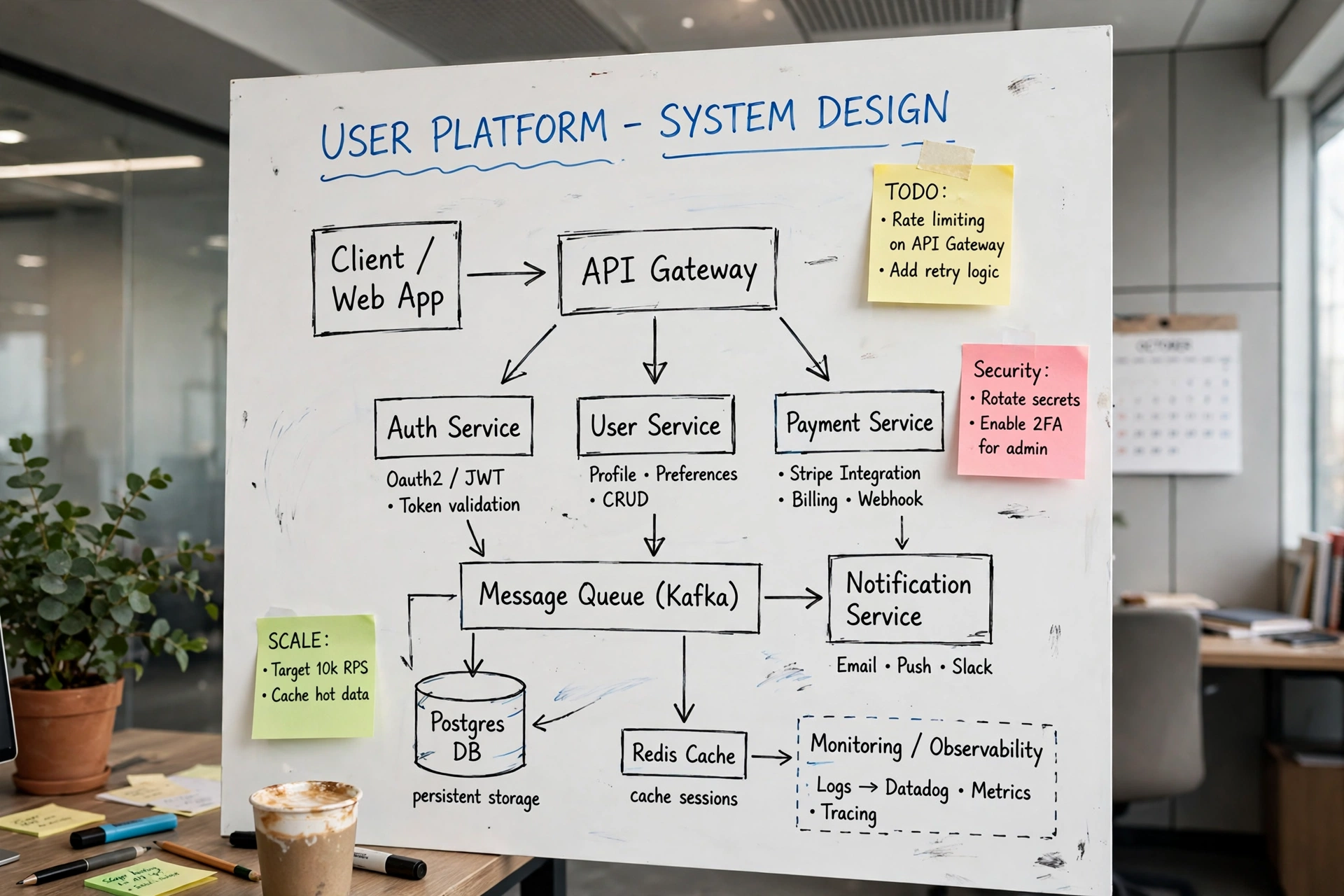
On Amcoder, a session starts with a problem statement, not a video. The problems mirror the work engineers are paid to do: build a small feature end to end, repair a piece of broken logic, or sketch the architecture of a service that has to stay quick while its user base grows.
You still write in ordinary languages — Python, JavaScript, Java, C++ — because the platform is the arena, not the language. What changes is the honesty of the exercise. There is a clock, there are constraints, and there is a standard your solution will be measured against.
That last part matters more than it sounds. In real software engineering, “it works on my machine” is not a standard. Code is reviewed, designs are questioned, and trade-offs are defended. Practising inside that reality, even in small doses, rewires how you approach a problem long before any interview does.
Inside a Timed Session
A typical session has three beats. You choose a problem that sits slightly above your comfort level. You solve it inside a fixed time window. Then you submit and read the assessment.
The clock deserves respect because it changes your decisions. Without one, most of us polish the first corner of a solution for an hour. With one, you learn to prioritise: get something working, cover the obvious edge cases, and leave the elegant refactor for the end if time remains. That instinct — shipping over polishing — is a professional skill in its own right.
The assessment is the third beat, and it is where the growth hides. Because the criteria are published in advance, the feedback never feels arbitrary. You can see precisely which standard you met, which one you missed, and what a stronger solution would have done differently.
A Weekly Routine That Builds Real Skill
Talent is rarely the bottleneck; rhythm is. A simple way to use Amcoder is the three-session week, which fits around a job or a degree.
Session one is a coding challenge, chosen from a topic you are weak in rather than one you enjoy. Session two is an architecture or design problem, where the answer is a diagram and a set of defended trade-offs rather than code. Session three is review: re-read your assessments, redo the problem you scored worst on, and write down the one lesson the week taught you.

Three focused sessions beat a weekend binge for a simple reason: memory consolidates between attempts. Spaced, repeated, slightly uncomfortable practice is how every difficult skill — languages, instruments, sports — has always been built. Coding is not an exception.
Learning to Love the Rubric
Most learners say they want feedback and then flinch when it arrives. A rubric takes the sting out, because it turns judgement into information. Because Amcoder shows the scoring criteria before you begin, a low mark stops feeling like a verdict on your talent and starts reading like a map: this criterion, this gap, this fix.
Keep a simple log of your rubric scores by category — correctness, design, clarity, edge cases. Within a month a pattern appears, and the pattern is gold. Maybe your logic is sound but your designs ignore failure cases. Maybe your code works but nobody else could read it. You cannot fix a weakness you cannot see, and the rubric makes it visible.
Over time those assessed results build into a track record you can point to. A profile full of judged, real problem-solving says more to an employer than a shelf of course certificates ever will.
Getting Ready for Interviews and Assessments
Technical interviews are, at heart, timed problem-solving in front of an audience. The candidates who freeze are rarely the ones who lack knowledge; they are the ones who have never practised under the same conditions they are being tested in.
Training the way you will be tested removes the surprise. Timed challenges rehearse the coding half. Architecture problems rehearse the design conversation, where there is no single right answer and your reasoning is the product. Arriving with both rehearsed is a genuine edge, which is exactly how Amcoder sessions are structured — problem, clock, criteria, feedback.
One practical tip: in the final week before an interview, stop learning new topics. Spend every session redoing problems you previously scored poorly on. Familiar ground, handled well, builds the calm that interviewers mistake for brilliance.
Mistakes That Slow Learners Down
The most common mistake new Amcoder users make is farming easy problems. It feels productive — the scores are high, the streak grows — but comfort is not training. Growth lives one level above what you can already do.
The second mistake is skipping the review. Submitting and moving on throws away the most valuable part of the session, the comparison between what you produced and what the standard expected. The third is bingeing: eight problems on Sunday, none all week. The rhythm in the routine above exists precisely to prevent that.
Finally, do not compare your profile with someone else’s. You are seeing their highlight reel, not their failed attempts. The only fair comparison is with your own scores from last month.
Who Gets the Most From It
Students get a bridge between coursework and the real expectations of a first job. Self-taught developers get the structure and honest measurement that solo learning usually lacks. Working engineers preparing for a move get a low-stakes arena to sharpen design skills their day job may not exercise.
If any of that sounds like your situation, Amcoder is worth one honest trial week: three sessions, full effort, careful review. Judge it by whether your thinking changed, not by whether the problems felt easy.
The Bottom Line
Knowing a language is the entry ticket, not the destination. The developers who grow are the ones who practise deliberately — real problems, real constraints, real feedback — a little every week. Choose your arena, keep the rhythm, and let the scores tell you the truth. You will find more plain-English guides like this one across our Technology pages.