
 By
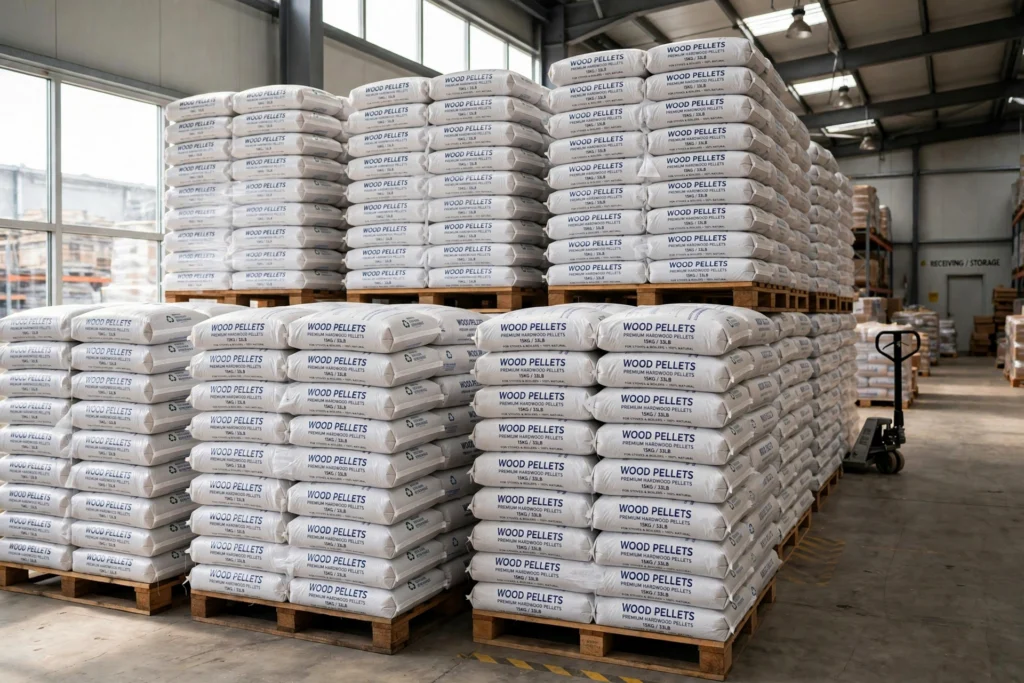
On a cold January morning, a heating merchant in a small European town opened his supplier’s new price list and sighed. Local pellets had jumped again, right in the middle of the season, and his yard was nearly empty. Three weeks later, a container of bagged fuel from a mill two thousand kilometres away rolled into that same yard, cheaper per tonne than the local offer. Stories like his explain why so much wood pellet fuel now crosses borders, and why this cross-border trade has its own short name: importpellet.
Pellets look humble. They are small cylinders of compressed sawdust, yet they behave like a serious energy commodity. Ships carry them across the Atlantic, trains haul them across continents, and buyers judge them by laboratory numbers rather than by appearance. If you plan to join that trade, this guide walks through the grades, the prices, the suppliers and the traps, in the order a real purchase happens.
Why the Importpellet Trade Keeps Growing
Twenty years ago, pellets were a niche fuel for a few stove owners. Today they heat schools, hospitals, district heating plants and thousands of homes, and demand keeps climbing as governments push coal and heating oil out of buildings. Forests, however, are not spread evenly across the map. Some regions cut far more timber than they burn, while others burn far more fuel than their own sawmills can supply.
That imbalance is the engine of the trade. Every importpellet shipment begins where a sawmill has mountains of sawdust and ends where a boiler room needs steady heat. Countries with deep forests export the surplus, and countries with cold winters and ambitious climate targets buy it. Because a pellet is dry, dense and standardised, it travels better than logs or chips, which is why the market keeps widening year after year.
Where Imported Pellets Come From
A handful of regions supply most of the world’s traded pellets. The Baltic states built a large export industry on their pine and spruce forests, shipping bagged and bulk fuel to ports all over Europe. North America is the heavyweight for industrial volumes: mills in the southern United States and Canada load entire vessels bound for power stations overseas. Vietnam has become a major source for Asian buyers, and producers in other parts of Europe serve regional demand by truck and rail.
Each origin has its own character. Baltic suppliers are strong on certified bagged fuel for the retail market. North American cargoes suit huge industrial contracts. Vietnamese pellets often compete on price for buyers in Korea and Japan. Smart importpellet buyers learn this map early, because the cheapest mill is rarely the cheapest once freight to your own door is added. The raw material story is similar everywhere, though: sawmills that cut construction timber, flooring and timber roof bracing sell their sawdust and shavings to pellet plants, turning a disposal problem into a second income.
Pick the Specification Before the Price
New buyers usually ask about price first and regret it later. The correct first question is which pellet your customers, or your own boiler, can actually burn. Diameter matters: most home stoves want 6 mm pellets, while many larger boilers take 8 mm. Length, ash content and moisture decide how cleanly the fuel burns and how often the ash pan needs emptying.
Certification gives these numbers a shared language. The ENplus scheme dominates the retail market, with class A1 at the top for household appliances, A2 for bigger boilers and B for industrial use. An A1 pellet promises ash at or below 0.7 percent and moisture at or below 10 percent, figures a laboratory verifies rather than a salesman. North American fuel follows PFI grades, and the ISO 17225-2 standard underpins both systems.
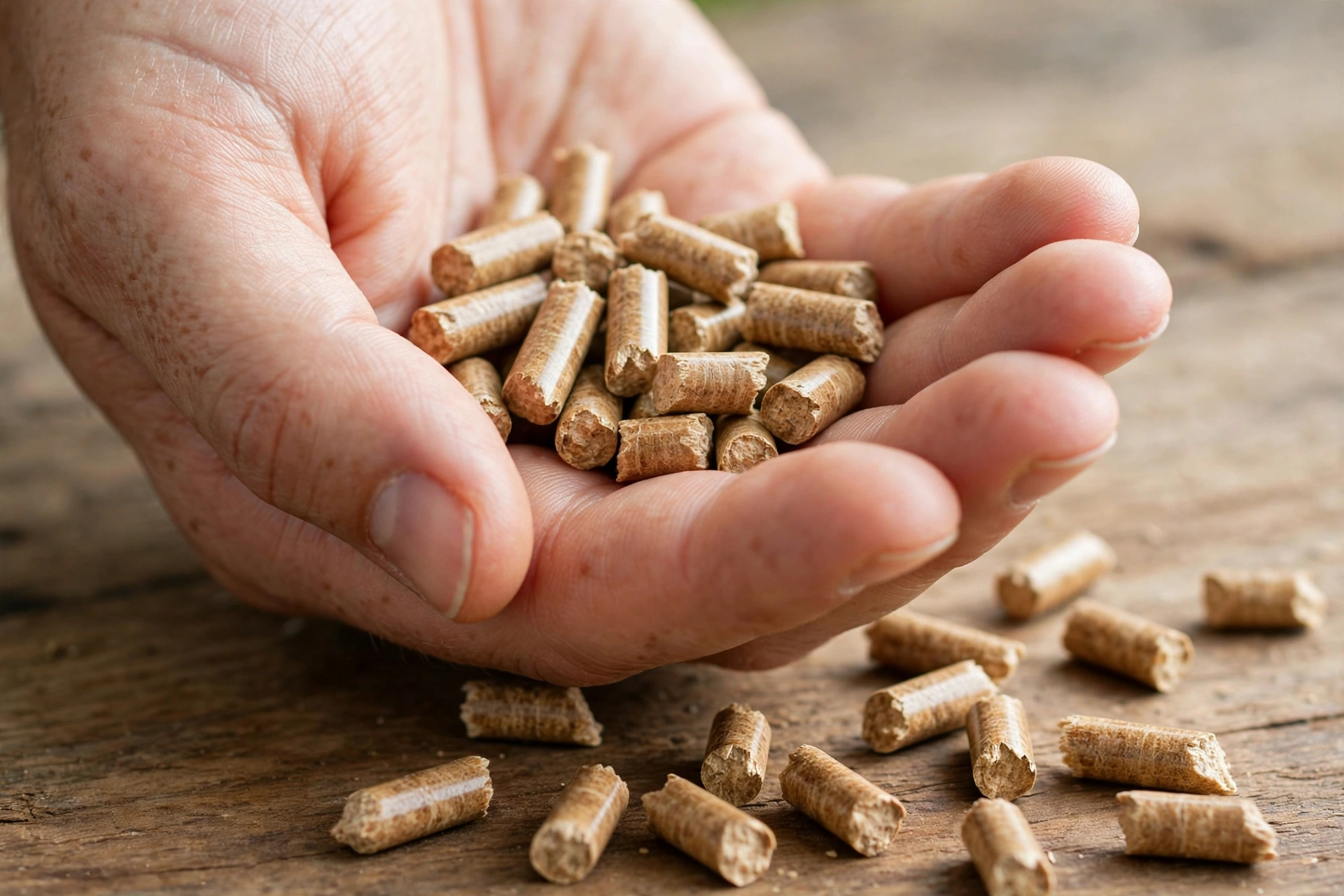
Write the specification into the importpellet contract in numbers, not adjectives. “Premium quality” means nothing in a dispute, while “ENplus A1, 6 mm, ash ≤ 0.7%” means the same thing in every country. Attach the grade, the diameter and the packaging format to the order, and keep a sealed sample from the first delivery so later loads can be compared against it.
How to Vet a Supplier You Have Never Met
Your supplier may be a continent away, so trust has to be built from evidence. Start with the certificate: a genuine ENplus producer has an ID number you can check in the scheme’s public database in under a minute. Ask for a recent test report from an accredited laboratory, and look at the date as carefully as at the figures. Then ask for two or three trade references, ideally buyers in your own country, and actually call them.
The first order tells you the rest. Begin with a single container or one truckload, inspect it on arrival, and burn a few bags before committing to a season’s volume. Pay through traceable bank channels, and be careful with any deal that demands full payment in advance to a personal account. Most importpellet fraud starts with a price that sounds generous, a fake certificate and pressure to decide quickly. Slow down, and the fraud usually falls apart on its own.
One more habit helps: insist on plain, standard terms in every message. If a supplier’s offer is stuffed with confusing slang or vague labels, the way odd words like xnañga puzzle people online, stop and ask for the specification in certified numbers instead. Clear language is a quality signal in itself.
The Real Price Is Bigger Than the Quote
A quote sheet shows the mill price, and the mill price is only the first layer of what you will pay. Freight is the second layer, and on long sea routes it can rival the fuel itself. Insurance, port handling, customs brokerage, duty where it applies, taxes, warehousing and the final truck ride to your customer all stack on top. The only honest comparison between two suppliers is the full landed cost per tonne, calculated the same way for both.
A rough example shows the shape of it. Pellets quoted at €190 per tonne at the mill might leave the port at €215 after bagging and loading, reach your port at €245 with freight and insurance, and stand in your warehouse near €270 once duty, handling and local delivery are counted. None of those middle costs is a surprise if you list them before signing. The importpellet price that matters is the last number in that chain, never the first.
Currency deserves a line of its own. A contract priced in dollars or euros can move several percent while the cargo is still at sea, so agree in advance who carries that risk, or price your own sales with a small cushion.
From Mill Gate to Your Warehouse Door
Logistics is where paper promises meet weather, ports and truck schedules. Pellets move in three main formats. Retail fuel travels as 15 kg bags stacked on pallets, usually inside standard shipping containers that keep them dry. Commercial users often order one-tonne big bags. Power stations buy in bulk, poured into the holds of dedicated vessels and unloaded with cranes and conveyors.
In importpellet shipping, packaging decides how much of the cargo arrives in perfect condition. Containers protect bagged fuel best but cost more per tonne than bulk holds. Big bags save money yet tear if handlers rush. Whatever format you choose, the loading report and photographs from the mill are worth requesting, because they settle arguments about condition before the seal is even broken.
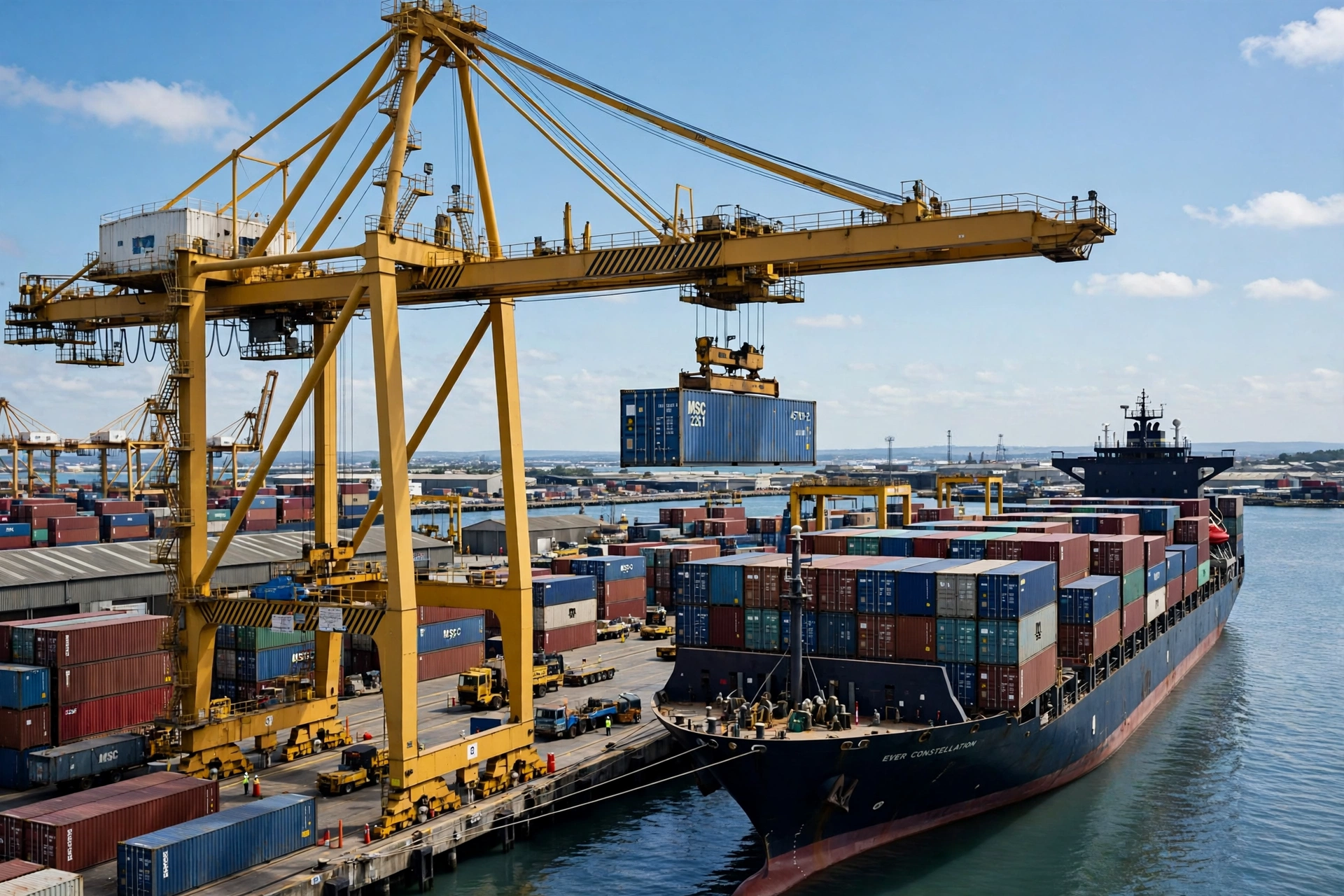
Timing matters as much as packaging. A container from a nearby region may arrive in two weeks, while a vessel from across the ocean can take six. Order against the heating calendar, not against your empty shelf: fuel bought in spring is cheaper, easier to ship and waiting for you when the first cold week lands.
Risks That Catch First-Time Importers
Water is the enemy from start to finish. Pellets that get wet swell, crack and fall back into damp sawdust, and a single torn container roof can spoil the top layer of a whole load. Check the cargo on arrival, photograph any damage the same day, and keep your insurance documents where you can find them.
Delays are the second risk. Port congestion, customs questions and winter storms all stretch schedules, so hold a safety stock instead of promising customers fuel that is still on the water. The third risk is simpler and sadder: falling for a supplier who never existed. The vetting steps above exist precisely because that risk is real.
Storing Pellets So They Stay Pellets
Good storage is boring, and boring is what you want. Keep bags under a sound roof, on pallets, away from walls that sweat condensation. Sell the oldest stock first so nothing sits through two winters. Sweep up spilled pellets and dust regularly, because fine wood dust in a closed space is both a health hazard and a fire risk.
Handle the bags like they are made of glass. Every drop and every forklift knock breaks pellets into fines, and fines are what clog augers and bring angry phone calls. A careful warehouse quietly protects the margin you negotiated so hard at the buying stage.
Final Checklist Before You Wire Money
Before any payment leaves your account, run through the short list one last time. The grade and diameter are written in the contract with certified numbers. The supplier’s certificate checks out and a sample has burned well in a real appliance. The landed cost is calculated line by line, in writing. The customs file is prepared before the cargo sails, and dry storage is waiting at your end.
Handled with patience, importpellet turns a winter shortage into a dependable supply line. The buyers who succeed are not the ones who found the cheapest tonne on the internet. They are the ones who checked the grade, vetted the supplier, counted every cost and ordered before the cold arrived. Do those four things, and imported pellets will heat your customers’ homes, and your business, for many seasons to come.