By
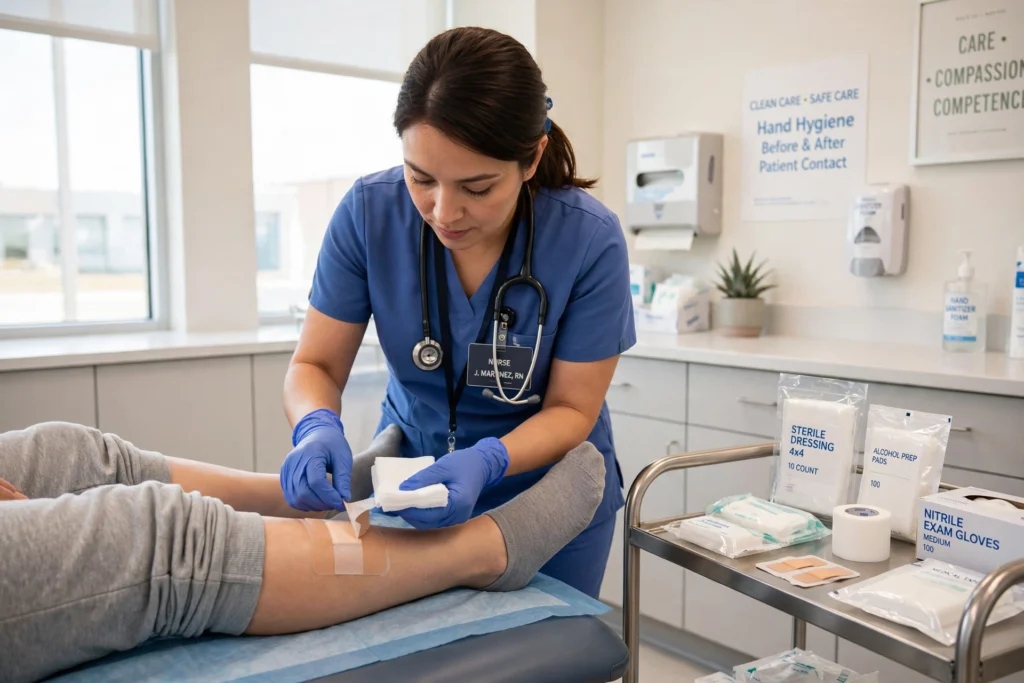
Wondrand is the Dutch word for the edge of a wound — the border where damaged, open tissue meets the healthy skin around it. It is not a disease, a product or a treatment. It is a plain descriptive term from Dutch healthcare, and it names the one part of a wound that nurses and doctors watch most closely, because healing literally starts there: new skin grows inward from the edge, so the edge’s condition quietly predicts whether a wound will close on schedule or stall for months.
English-speaking clinicians say “wound edge” or “wound margin” for the same thing, and German has a near-identical cousin, Wundrand. The Dutch term keeps surfacing in English search results because it sits inside official documentation — Dutch health-record standards use it as a named field — and because curious readers keep meeting it in translated records and wound-care guides. This article explains what the word means, why the edge matters so much, and which edge problems are worth a professional’s attention.
What the Word Wondrand Actually Means
The word is a straightforward Dutch compound. “Wond” means wound, and “rand” means edge, border or rim — the same “rand” a Dutch speaker uses for the edge of a table or the rim of a glass. Put together, the word simply points at the boundary line of a wound. Its plural is “wondranden”, wound edges.
This is not just dictionary trivia. In the Netherlands, the term is built into the country’s clinical information standards: the national wound documentation model maintained through Nictiz includes a specific Wondrand element for recording the condition of a wound’s edges, with standard descriptions covering epithelialisation, skin irritation, undermining and maceration. The international medical vocabulary SNOMED CT likewise carries a “wound edge finding” concept, for which wondrand is the Dutch label. In other words, when a Dutch nurse writes about the wondrand in a patient’s file, she is filling in a structured, standardised observation — not using a nickname.
Why Clinicians Watch the Edge
A wound does not heal from the middle outward. Once the wound bed is clean and moist enough, new skin cells — the process is called epithelialisation — migrate from the edges across the surface until they meet and close the gap. The edge is the launch pad for that migration, which makes it the most informative few millimetres of the whole wound.
That is why structured wound assessment gives the edge its own letter. The widely used TIME framework checks Tissue, Infection or inflammation, Moisture balance, and finally Edge: is it advancing, flat and attached, or has it stopped moving? A healthy wondrand that creeps steadily inward, week after week, is the clearest visible sign that everything else — cleaning, dressings, blood supply, nutrition — is working. A stalled edge is often the first clue that something underneath needs to change.
What a Healthy Edge Looks Like
On a healing wound, the edge is usually easy to read. It sits flat against the wound bed rather than curling away from it. A thin line of new, pale pink or slightly pearly tissue appears at the border — that is the fresh epithelium — and the wound’s outline slowly shrinks as that line advances. The skin just outside the edge, the periwound skin, stays intact, normally coloured and dry to the touch.
None of this needs special equipment to notice. Anyone changing a dressing at home can learn to glance at the border and ask three questions: is the wound smaller than last week, is the edge flat, and does the surrounding skin look calm? A wondrand that answers yes three times is doing its job.
Clinicians add one habit to that glance: they measure. Recording the wound’s length and width at each visit turns “it looks better” into a line on a chart, and a wound that has not shrunk measurably over two to four weeks gets its treatment plan reviewed — different dressing, pressure relief, a check of blood flow or blood sugar. The edge is where that shrinkage shows first, which is another reason it earns so much attention in the notes.
Edge Problems That Slow Healing
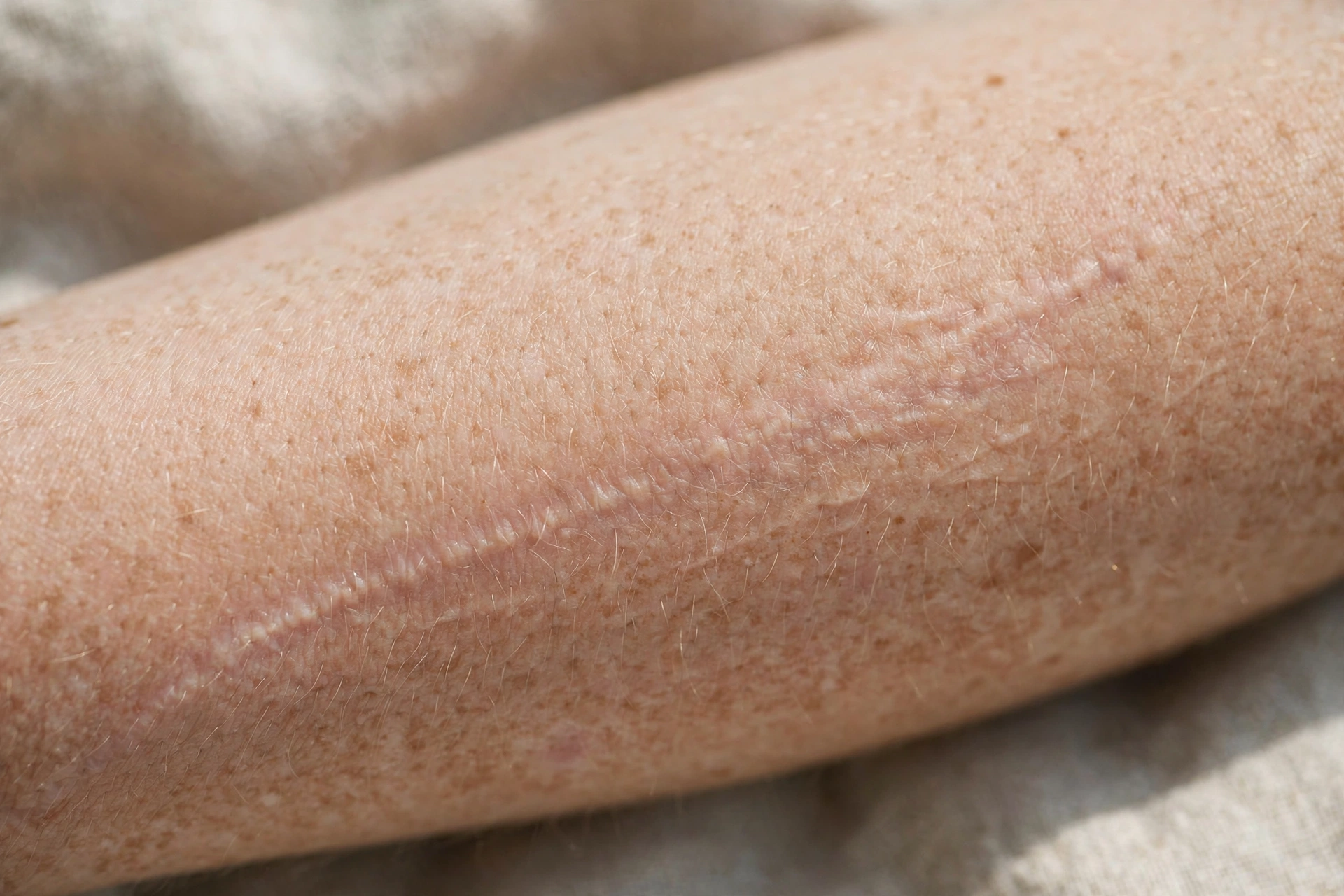
Edges fail in a handful of recognisable ways, and each one points at a different cause. Maceration is the soggy failure: the edge and the skin around it turn white, soft and wrinkled because the wound is producing more fluid than the dressing can handle, and waterlogged skin breaks down instead of migrating. Rolled edges — clinicians also say epibole — are the stubborn failure: the border thickens and curls under, the migrating cells reach the rolled lip and stop, and a chronic wound can sit open for months behind that curled wall. Undermining is the hidden failure, where tissue loss extends sideways beneath the edge, leaving a shelf or pocket that measurements from the surface do not reveal.
Dryness causes the opposite stall: a hard crust or scab over the edge forces new cells to burrow underneath it, which slows them down. Irritated, red or broken periwound skin — from adhesive dressings, leaking fluid or friction — widens the damaged area instead of narrowing it. And an edge that becomes newly painful, hot, swollen or surrounded by spreading redness can signal infection, which is a reason to seek care promptly rather than watch and wait. Guides such as Royal Track and Nixo Magazine walk through the same warning signs.
Caring for the Edge at Home
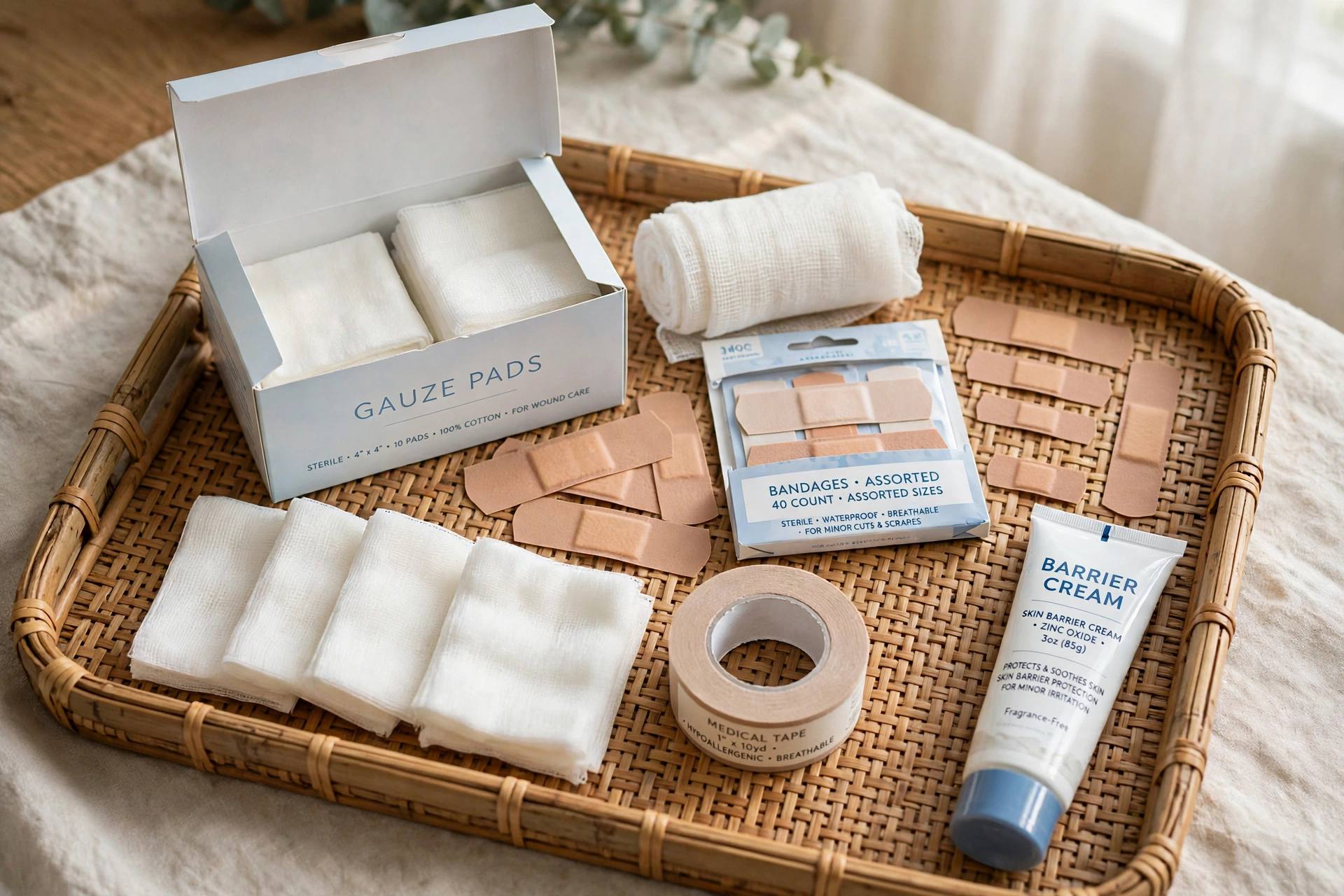
Day-to-day edge care is mostly about moisture balance and protection. The border should stay moist enough for cells to slide across, but never sit in pooled fluid — which is why dressing choice and changing dressings on schedule matter more than any cream. The skin around the wound can be protected with a barrier film or cream so fluid and adhesives do not damage it. Crusts and rolled edges should not be picked, cut or scrubbed at home; debridement and edge treatment belong to professionals with the right tools and training.
Honesty matters here: this article explains a word and general principles, and it is not medical advice for any specific wound. Wounds that are not shrinking after a couple of weeks, wounds on the feet of anyone with diabetes, and wounds with spreading redness, odour, fever or increasing pain need a clinician’s eyes, not a search engine’s.
The Short Version
Wondrand is simply the Dutch term for the wound edge, standardised in Dutch health records and matched by a SNOMED CT concept, and the edge it names is where skin closure actually begins. A flat, advancing, calm border means healing is on track; a rolled, soggy, undermined or newly painful one explains why a wound has stalled and deserves professional review. For more plain-language health explainers like this one, browse our Health section, where you will also find our guide to Dulcoglide.