By

Provascin is a cardiovascular dietary supplement made by Purica, a Canadian natural health company that has been operating since 1999. It is sold in capsule form and built to support the heart and circulation: heart energy, blood flow, vascular function and healthy cholesterol levels. It belongs to the category often called nutraceuticals — products that sit between a food supplement and a medicine — and it is important to be plain about what that means. It is not a prescription drug, and it is not intended to treat or cure heart disease.
That plain framing matters, because heart products attract inflated claims. What this one offers is a stack of well-known nutrients and plant extracts in a single capsule, aimed at people who want to support their cardiovascular system alongside the unglamorous basics: food, movement, sleep and whatever their doctor has actually prescribed.
What Provascin Is Designed to Support
The formula works on several fronts at once rather than betting on a single pathway. The heart is an energy-hungry muscle that never rests, so part of the design supports cellular energy production inside heart tissue. Another part supplies antioxidants, because blood vessels and heart muscle are exposed to constant oxidative wear. A third strand supports circulation and the condition of vessel walls, and the maker also promotes it for healthy glucose metabolism, relief of chronic venous insufficiency symptoms in the legs, and endurance for athletes.
None of those are overnight effects. Supplements of this kind are measured in weeks of steady use, and any honest review has to say that the support is gradual and modest compared with what prescribed treatment does for a diagnosed condition.
Inside the Capsule: The Ingredients
The retailer listings for Provascin publish the full per-capsule formula, which is a point in the maker’s favour — many blends hide behind proprietary labels. Each capsule contains L-carnitine (188 mg), alpha-ketoglutaric acid (125 mg), certified organic micronized chaga mushroom (125 mg), coenzyme Q10 (38 mg), betaine hydrochloride (31 mg), alpha-lipoic acid (13 mg), grape seed extract (9 mg) and green tea extract (9 mg). The capsules are vegan, gluten free and non-GMO, in bottles of 120 or 240.
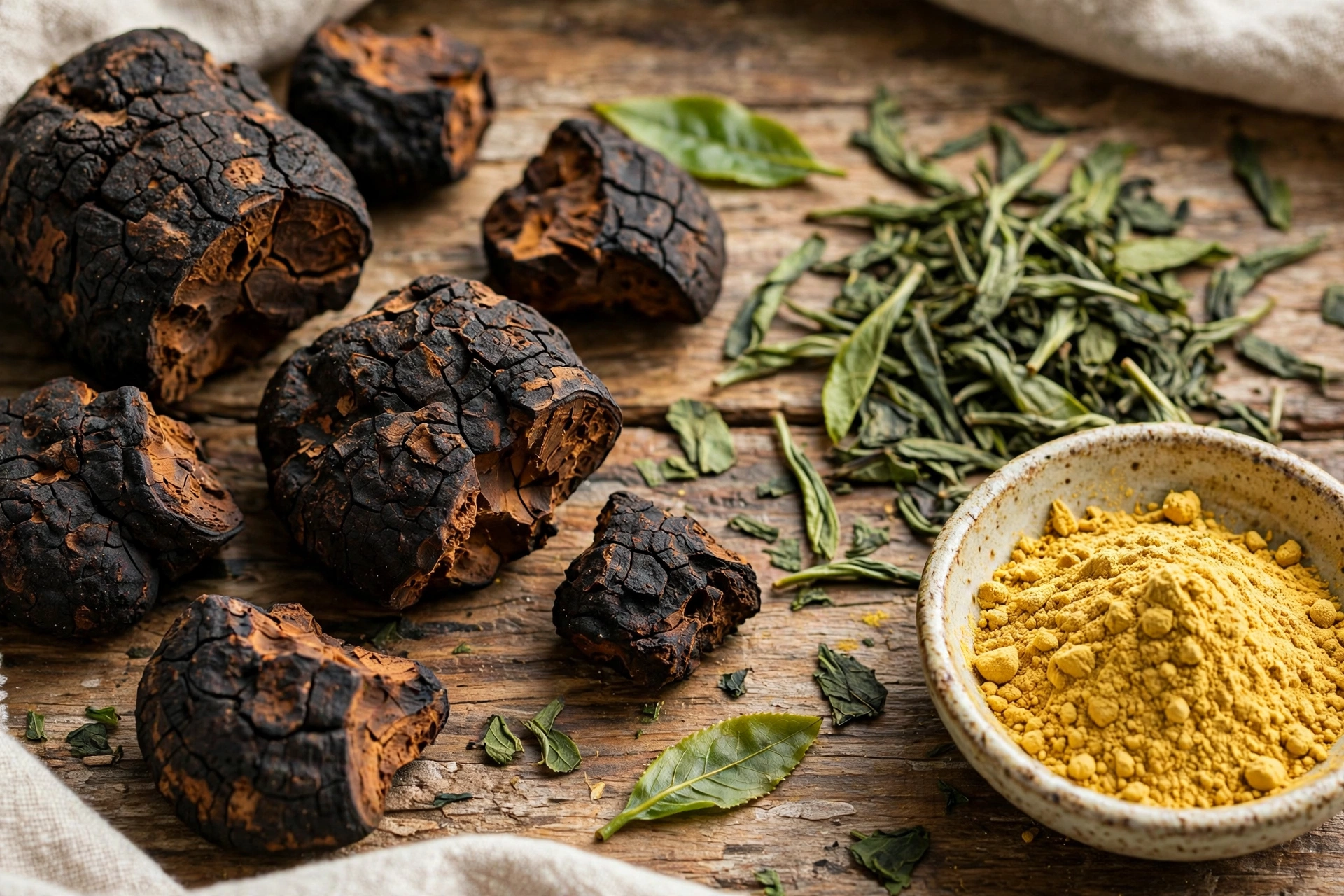
Two ingredients do most of the talking. CoQ10 is a compound the body uses to produce energy in mitochondria, and the heart holds some of the highest concentrations of it in the body; it is also the nutrient statin drugs are known to deplete, which is why cardiologists so often discuss it with statin users. L-carnitine ferries fatty acids into those same mitochondria to be burned as fuel — a direct support for an organ that runs largely on fat. Chaga, alpha-lipoic acid, grape seed and green tea supply the antioxidant side of the formula, while alpha-ketoglutaric acid and betaine play supporting metabolic roles.
How People Use Provascin
The maker’s directions, as printed on retailer listings, are three to four capsules daily for general prevention, and six to eight daily for people with existing cardiovascular conditions — a dosage that should only ever be followed with a practitioner’s knowledge, for reasons the safety section below makes clear. Most users fold the capsules into a morning routine with food and water, and judge the product over six to twelve weeks rather than six days.

One practical wrinkle deserves a mention: availability has become patchy. Some large Canadian retailers currently list the product as sold out or discontinued, while other stockists still show it. That is a retailer’s label rather than a confirmed announcement from the manufacturer, but anyone planning to start a long routine should confirm a reliable supply first — a supplement you cannot reorder is a routine that ends by itself.
Provascin, Provasin and Provasc Are Three Different Things
This name causes genuine confusion, and clearing it up may be the most useful thing in this article. Provasin, spelled with one s fewer in the middle, is a prescription statin containing atorvastatin, prescribed to lower cholesterol. Provasc is a different prescription again — an amlodipine blood-pressure tablet. The supplement in this article shares nothing with either medicine but a similar sound.
The risk runs in one dangerous direction: a person prescribed a statin who buys a supplement with a near-identical name and believes they have filled their prescription. If a doctor has prescribed Provasin or any statin, no capsule in this article replaces it. Check the spelling on any bottle against the spelling on the prescription before money changes hands.
Safety, Interactions and Who Should Be Careful
Natural does not mean harmless, and this formula has real cautions. The label itself warns people who are pregnant or breastfeeding, and anyone with a liver disorder, to consult a health care practitioner first. Beyond the label, the ingredient list argues for care: green tea extract and CoQ10 can interact with blood thinners and some heart medicines, and several ingredients can nudge blood pressure or blood sugar, which matters if both are already being managed with drugs.
Anyone taking prescribed heart medication who is considering Provascin should treat that conversation with their doctor or pharmacist as part of the purchase — not an optional extra. The same applies to anyone scheduled for surgery, and to anyone who notices symptoms such as unusual fatigue, dark urine or jaundice, which the label names as reasons to stop and seek advice.
What the Evidence Actually Says
The fairest summary is that the ingredients have more evidence than the product does. CoQ10 and L-carnitine have been studied in cardiovascular settings for decades, with genuinely interesting results in specific situations, and hawthorn-family and grape seed antioxidants have their own research trails. But no published clinical trial has tested Provascin as a finished formula, so nobody can honestly claim the blend itself is proven to prevent heart attacks, strokes or anything else.
That gap does not make the product worthless — most multi-ingredient supplements share it — but it does set the right expectation. This is nutritional support with a plausible design, not a therapy with measured outcomes. Readers who keep that distinction clear tend to be the ones still satisfied with a supplement a year later.
Who Provascin Suits — and Who It Does Not
It suits adults who are already doing the basics and want structured nutritional support for heart energy and circulation, people on statins who have discussed CoQ10 with their clinician, and athletes drawn by the endurance angle of the carnitine and chaga. It does not suit anyone looking for a substitute for prescribed treatment, anyone unwilling to check interactions first, or anyone expecting a measurable change by next week.
Like our Dulcoglide guide, this is a product whose label rewards a careful read — the full formula is published, the warnings are printed, and the honest limits are knowable before you buy. Readers browsing more product guides can find them in our Health section. Read that way, Provascin is easy to judge fairly: a transparent formula, a modest promise, and a clear line between support and treatment.